The Power of Gratitude and Thankfulness
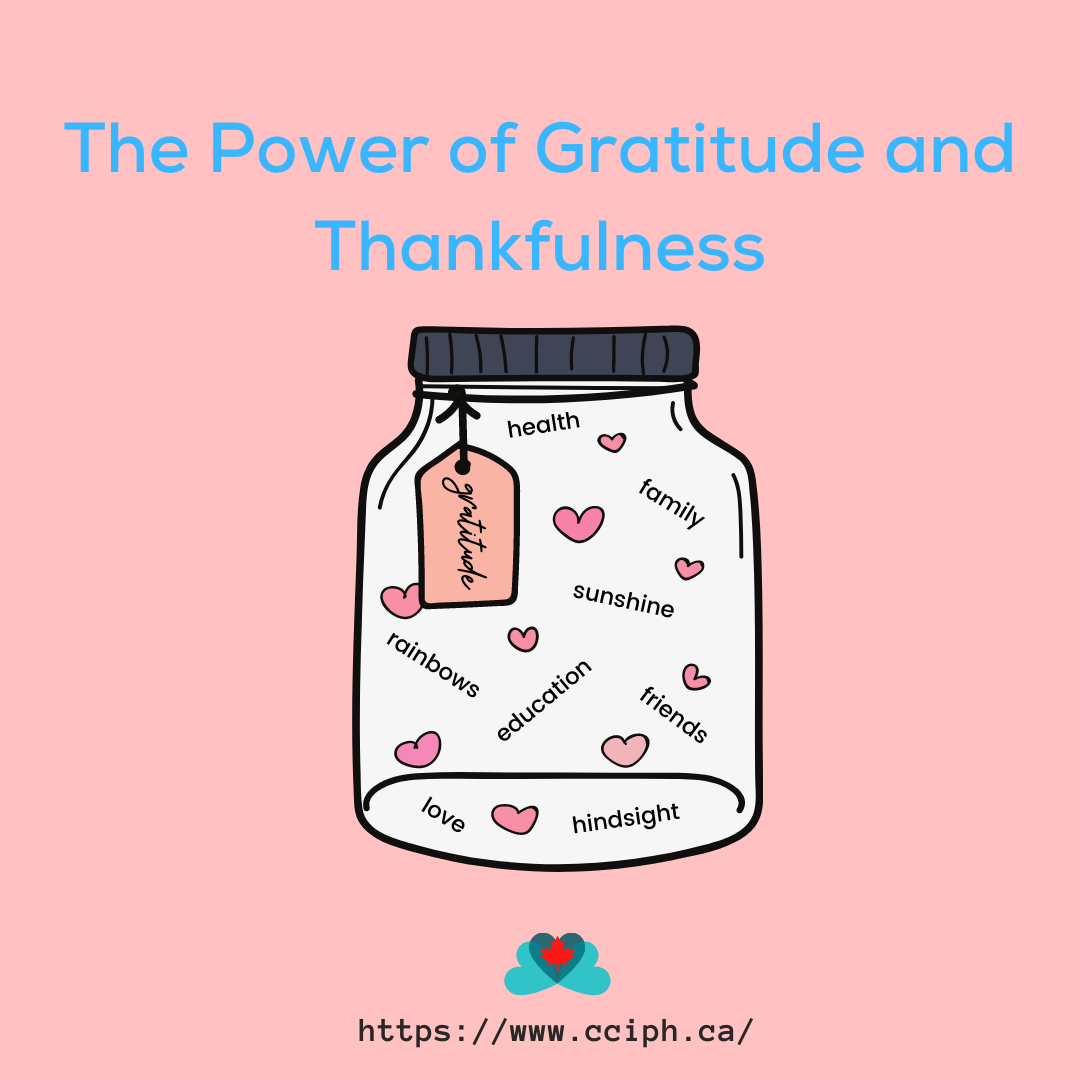
Gratitude is more than just good manners—it is a powerful psychological tool that can transform the way we think, feel, and interact with the world. Rooted in both ancient wisdom and modern science, gratitude involves the intentional act of recognizing and appreciating the positive aspects of life, whether they are large or small, fleeting or enduring.
At its core, gratitude is the act of thankful appreciation. This appreciation can be directed toward people, experiences, situations, or even the intangible moments we often overlook. Whether it’s expressed by giving a gift, saying “I appreciate you,” or silently acknowledging a meaningful moment, gratitude has the ability to elevate our mental, emotional, and relational well-being.
Understanding Gratitude Across Time
One of the unique qualities of gratitude is that it exists across time—it allows us to feel connected to the past, grounded in the present, and hopeful for the future.
Gratitude for the past may involve cherishing memories, recognizing how far we've come, or appreciating life lessons from past challenges.
Gratitude in the present is about not taking things for granted, acknowledging the good that exists in our lives right now—even in the middle of difficulties.
Gratitude for the future invites a mindset of hope, optimism, and openness to what’s to come. It fosters resilience by helping us trust that good things are possible and worth waiting for.
The Science Behind Gratitude
Gratitude has been a key focus in the field of positive psychology, which examines what makes life most worth living. Research consistently shows that gratitude is linked to a variety of psychological and physiological benefits, including:
Greater happiness: People who regularly practice gratitude tend to experience more positive emotions, increased life satisfaction, and reduced levels of depression.
Improved overall health: Gratitude is associated with better sleep, lower blood pressure, and stronger immune functioning. It can reduce stress and increase motivation for health-promoting behaviors.
Greater resilience in adversity: Expressing gratitude can shift our focus from what’s lacking to what is still good, helping us cope with hardship more effectively.
Stronger relationships: Gratitude helps us recognize the value in others. Expressing appreciation deepens trust, enhances communication, and fosters emotional closeness.
How to Practice Gratitude in Everyday Life
Gratitude is most effective when practiced regularly and intentionally. While it might come naturally in moments of celebration, it’s even more powerful when cultivated during ordinary or difficult times. Here are some accessible ways to integrate gratitude into your daily routine:
1. Write a Thank-You Note
Take time to express appreciation to someone who has made a difference in your life. Whether it's a handwritten note, an email, or a message, this simple act not only lifts their spirits—it boosts your own.
2. Count Your Blessings
At the end of the day, mentally list three things you’re grateful for. They don’t need to be extraordinary—small things like a warm meal, a kind gesture, or a moment of laughter matter just as much.
3. Thank Someone in Person or Over the Phone
Verbal expressions of gratitude are powerful in real-time. A sincere “thank you” can turn an ordinary interaction into a meaningful exchange.
4. Use Prayer as a Tool for Gratitude
For those who are spiritually inclined, prayer can be a way to connect with gratitude on a deeper level. Focusing your prayers on thankfulness, rather than only requests, can shift your mindset in a positive direction.
5. Practice Gratitude Meditation
Spend a few minutes in silence, focusing your thoughts on the things you appreciate. This can help anchor your attention and reduce negative mental chatter.
6. Keep a Gratitude Journal
Writing down what you're thankful for can help you become more aware of the positives in your life. Over time, it rewires your brain to scan for good, even in moments of stress or sadness.
Whether you’re navigating a time of abundance or facing uncertainty, gratitude can be a stabilizing force. When practiced consistently, it strengthens emotional resilience, fosters kindness, and brings greater perspective to our lives.
Gratitude doesn’t just change your mood—it can change your mindset. And when your mindset shifts, so does everything else.