Understanding the Stages of Change Model
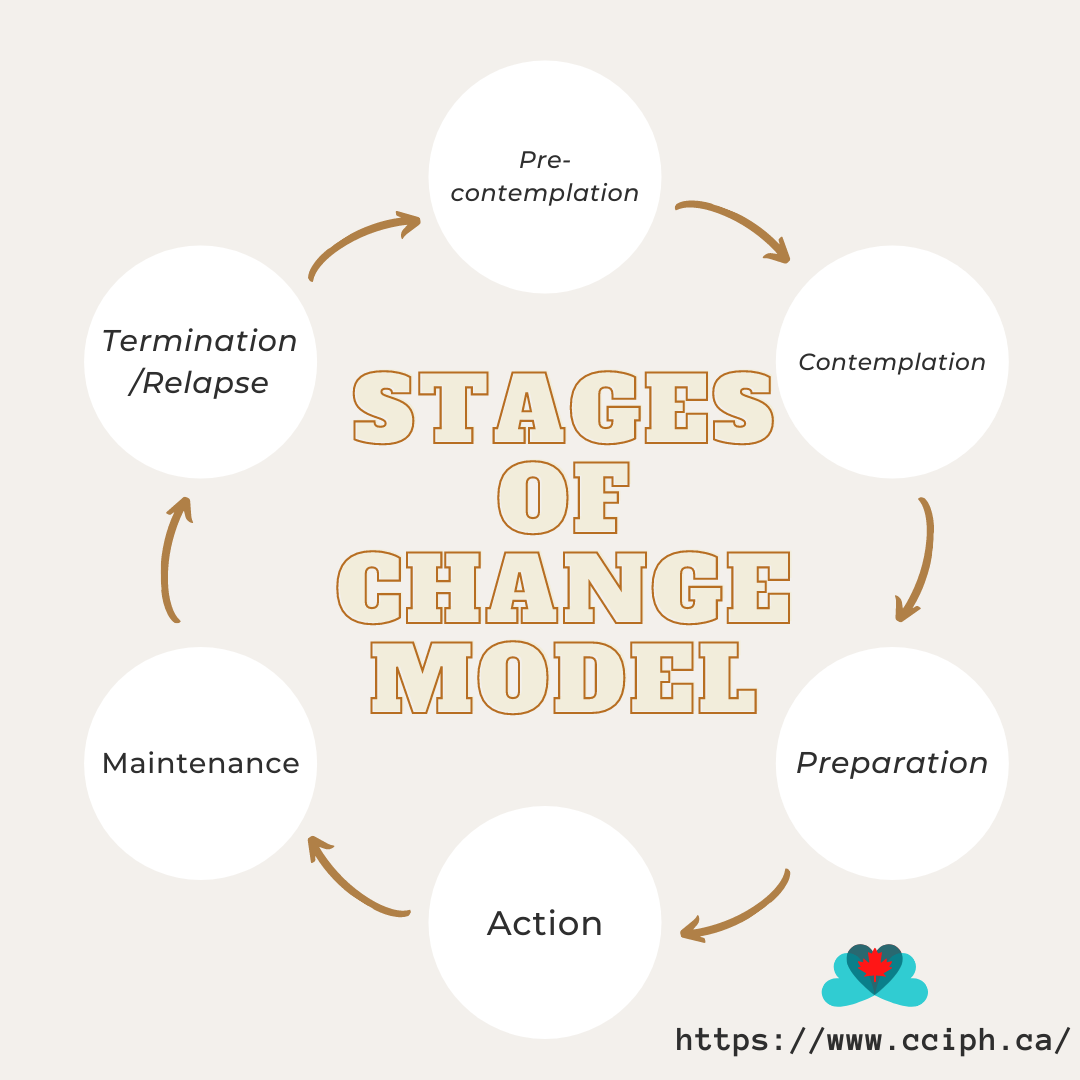
Change is hard. Whether it's quitting smoking, starting therapy, reducing alcohol use, improving eating habits, or building a better work-life balance—behavioral change is rarely a straight line. That's why Prochaska and DiClemente’s Transtheoretical Model, more commonly known as the Stages of Change Model, is such a helpful tool.
This model offers a compassionate, realistic framework for understanding how people navigate change—not in a single leap, but through a series of stages. It recognizes that progress isn’t always linear and that setbacks aren’t failures—they’re part of the process.
Let’s break down the six stages and explore how they show up in real life.
1. Pre-Contemplation: “I don’t see a problem.”
In this stage, the individual has no intention of changing their behavior in the near future—often because they don’t see it as a problem yet. This may be due to denial, lack of awareness, or feeling discouraged by past failed attempts.
Common signs:
“This is just how I am.”
“People are overreacting.”
“I’ve tried before—it didn’t work.”
How to support yourself or others:
Gentle education, curiosity, and building insight can help someone move toward awareness without triggering defensiveness. Pushing for immediate change can backfire here.
2. Contemplation: “Maybe something needs to change.”
Here, the person begins to acknowledge that something needs to change, but they feel ambivalent. They weigh the pros and cons and may feel stuck in indecision.
Common signs:
“I know it’s not healthy, but it’s how I cope.”
“I want to stop, but I’m not sure how or when.”
“I’m scared of what change might mean.”
Support tip:
This is a great time for motivational interviewing, journaling, or working with a therapist to explore values, fears, and goals.
3. Preparation: “I’m ready to make a plan.”
Now, the person is actively planning to make a change. They’re setting goals, gathering resources, or even telling others about their intentions. This stage involves commitment and planning.
Common signs:
“I’m going to start therapy next month.”
“I’ve looked into gym memberships.”
“I set a quit date for next week.”
Support tip:
Help create a realistic, step-by-step plan. Celebrate the intention—it’s a big shift from contemplation.
4. Action: “I’m doing the thing.”
In the action stage, the person is actively implementing change. This stage involves effort, vulnerability, and often significant lifestyle adjustments. It's also where motivation can dip so support and structure are crucial.
Common signs:
“I’ve been sober for three weeks.”
“I started waking up earlier to go for a run.”
“I’ve stopped responding to toxic messages.”
Support tip:
Encourage consistency and highlight progress, even if it’s imperfect. Relapses don’t erase progress—they're a part of refining the process.
5. Maintenance: “I’m working to keep it going.”
In this stage, the person has sustained the new behavior for a while—usually six months or more—and is focused on preventing relapse. This stage is about integration and resilience.
Common signs:
“I don’t even think about smoking anymore.”
“Therapy has helped me reframe my thinking.”
“I’ve learned how to cope with cravings.”
Support tip:
Celebrate this phase. Remind yourself that maintenance still requires effort and is an achievement in itself.
6. Relapse or Termination: “I slipped OR I’ve completed the journey.”
Not everyone reaches “termination,” where the behavior change is so deeply integrated that it's no longer a struggle. For most people, relapse is a normal part of change. It doesn’t mean failure, it means re-entry.
Common signs of relapse:
Resuming old habits (e.g., drinking, avoiding exercise)
Feeling shame or frustration
Losing touch with your “why”
Support tip:
Avoid self-blame. Instead, reflect on what triggered the slip and how to adjust. This may be a time to revisit earlier stages of change with new insight.
Change Isn’t Linear, It’s Cyclical
People often cycle through these stages multiple times before sustaining a lasting change. That’s normal. The process is influenced by many factors: environmental stressors, emotional readiness, support systems, and personal history.
Some people move quickly through stages; others take months or years. You might be in the action stage for one behavior (e.g., exercising) and in pre-contemplation for another (e.g., addressing burnout).
Final Thoughts: Be Gentle with Yourself
The Stages of Change Model teaches us that change is a process, not an event. It takes time, trial and error, courage, and compassion. Understanding where you or someone you care about fall in this model can help you approach change with more clarity and less judgment.
Whether you’re just beginning to consider a change or are months into a new habit, know this: every step counts.